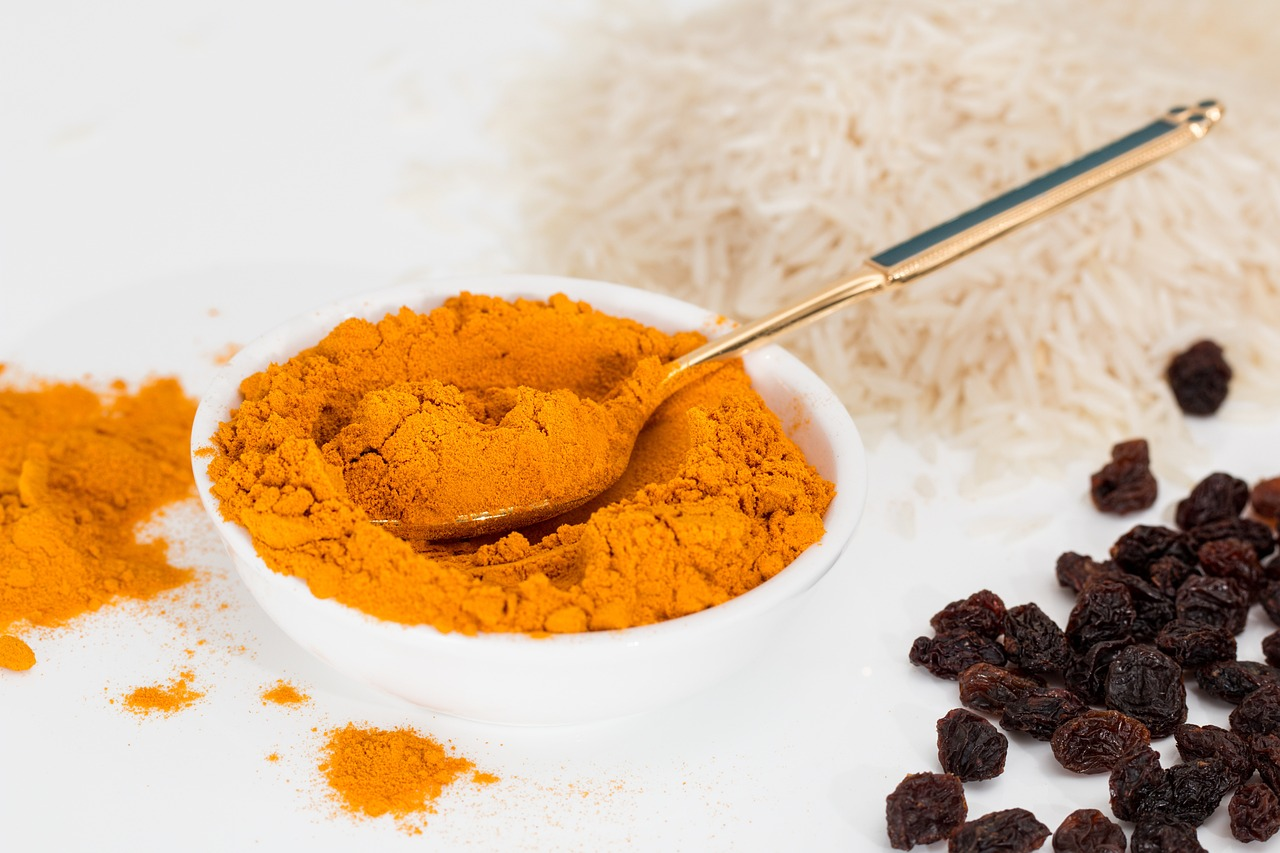
The Digestive Power of Turmeric: An Ayurvedic Perspective


Introduction:

Turmeric, a vibrant yellow spice, has been a staple in South East Asian cuisine and traditional medicine for centuries. Recent studies, such as the one published in the journal BMJ Evidence-Based Medicine, suggest that turmeric's active compound, curcumin, may be as effective as conventional medication in treating indigestion. This article delves into the Ayurvedic benefits of turmeric, its effects based on dosha, and explores the potential implications of incorporating turmeric into clinical practice.

Ayurvedic Perspective on Turmeric:

Ayurveda, an ancient holistic healing system from India, views turmeric as a potent herb with various therapeutic properties. According to Ayurvedic principles, turmeric helps balance the three doshas – Vata, Pitta, and Kapha – which are fundamental energies governing the body.

  1. Vata Dosha:

    • Turmeric's warming properties are believed to pacify Vata dosha, helping alleviate symptoms associated with excess air and space elements. It may aid in reducing bloating and irregular digestion often linked to imbalanced Vata.

  2. Pitta Dosha:

    • With its bitter and pungent taste, turmeric is thought to balance Pitta dosha by cooling excess heat in the body. This can be beneficial for individuals experiencing acidity and inflammation, common Pitta-related imbalances.

  3. Kapha Dosha:

    • Turmeric's ability to stimulate digestion and promote circulation is considered beneficial for Kapha dosha. It may help counteract sluggish digestion and a heavy feeling often associated with an imbalance in Kapha.

Ayurvedic Recommendations for Turmeric Usage:

  1. Turmeric Tea:

    • Incorporate turmeric into your daily routine by preparing turmeric tea. Boil water, add a pinch of turmeric, and optional ingredients like ginger and honey. This warming concoction may aid digestion.

  2. Turmeric Supplements:

    • Ayurvedic practitioners often recommend turmeric supplements for digestive issues. However, it is crucial to consult with a qualified practitioner to determine the appropriate dosage based on the individual constitution.

  3. Turmeric in Cooking:

    • Enhance your meals with turmeric by adding it to curries, soups, or rice dishes. Ayurveda encourages using turmeric in cooking to promote digestive fire (Agni) and enhance nutrient absorption.

Implications for Clinical Practice:

While the recent study comparing turmeric to omeprazole for indigestion treatment is promising, it's essential to acknowledge the need for further research. The Ayurvedic perspective on turmeric aligns with its potential digestive benefits, but individual responses may vary.

Healthcare practitioners could consider integrating turmeric into holistic treatment plans for digestive issues, keeping Ayurvedic principles in mind. However, caution is advised, especially for patients with specific health conditions or those taking medications.

Golden Bliss 100 Gm – Ayurveda Heaven | A Pure and Natural way of Healing

Comments

Popular posts from this blog

Hingwashtak churna – Health Benefits, Ingredients, and Usage

  Hingwashtak churna helps to eliminate body toxins (ama), strengthens Agni (metabolism), and relieves indigestion. It contains 8 digestion-improving herbs. What is Hingwashtak Churna Hingvastak Churna or  Hingwashtak churna is a powdered form of eight herbs. Hingvashtak powder has innumerable benefits or uses. It is Hingu Ashtaka Churna which means Hingwastak has eight ingredients or contents including hing or asafoetida. The contents of Hingastak powder are easily available on kitchen shelves and useful in digestion. This powder is used in problems of the digestive system. According to Ayurvedic texts, “ama” or body toxins accumulate due to food. The body's toxins block the pathways of nutrients and prevent them from reaching the target tissues. This causes the undernourishment of the body and lowers the functionality of tissues. Accumulation of body toxins lowers the and paves the way for diseases. Hence the food consumed must be healthy and get digested wel...

Staying Cool and Balanced in July - Ayurvedic tips for July

In the UK, July brings long daylight hours, garden parties, and the promise of summer holidays. But beneath the sunny joy is a climatic and energetic transition. July marks the peak of Pitta season—when the elements of fire and water dominate the environment and our bodies. Understanding and aligning with this shift is key to staying balanced, calm, and radiant throughout the month. 🌤 Climate Shift: From Humid to Dry While the British summer is often unpredictable, July typically starts warm and muggy, especially in the South, and transitions into a drier heat by late month. Early July continues the damp-cleansing process initiated in spring, flushing out the last of winter’s kapha residue. However, by mid to late July, this moisture gives way to dryness, leaving many of us feeling parched, irritated, and fatigued—even if the weather stays mild compared to continental Europe. This shift stresses the body’s cooling mechanisms. Your internal fluids (rasa dhatu) are depleted, and dehydra...

Ayurveda Diet for April in the UK: Have You Caught 'Spring Fever'?

 As April blooms across the UK, nature begins to awaken, and with it, our bodies shift too. The sun grows stronger, the days stretch longer, and a contagious enthusiasm fills the air—what we often call “spring fever.” But did you know that spring fever is not just a whimsical phrase? According to Ayurveda, this seasonal shift is a real, tangible transformation that affects us on both physical and emotional levels. Let’s dive into how to align your diet and lifestyle with Ayurvedic wisdom to enjoy this vibrant time of year in optimal health. What Is 'Spring Fever' in Ayurveda? By April, the dormant energies of winter give way to the active qualities of spring. This itch to get outdoors isn’t just mental—it’s your body's way of saying, “We’re changing!” Your heart rate increases, your blood flows more freely to the skin and extremities, and you may even notice puffiness, water retention, or skin rashes. Just like sap rising in the trees, our internal systems awaken and sta...